Water Damage Restoration
Water in your home needs a plan fast. Here is what to do, what to ask, and who to avoid.
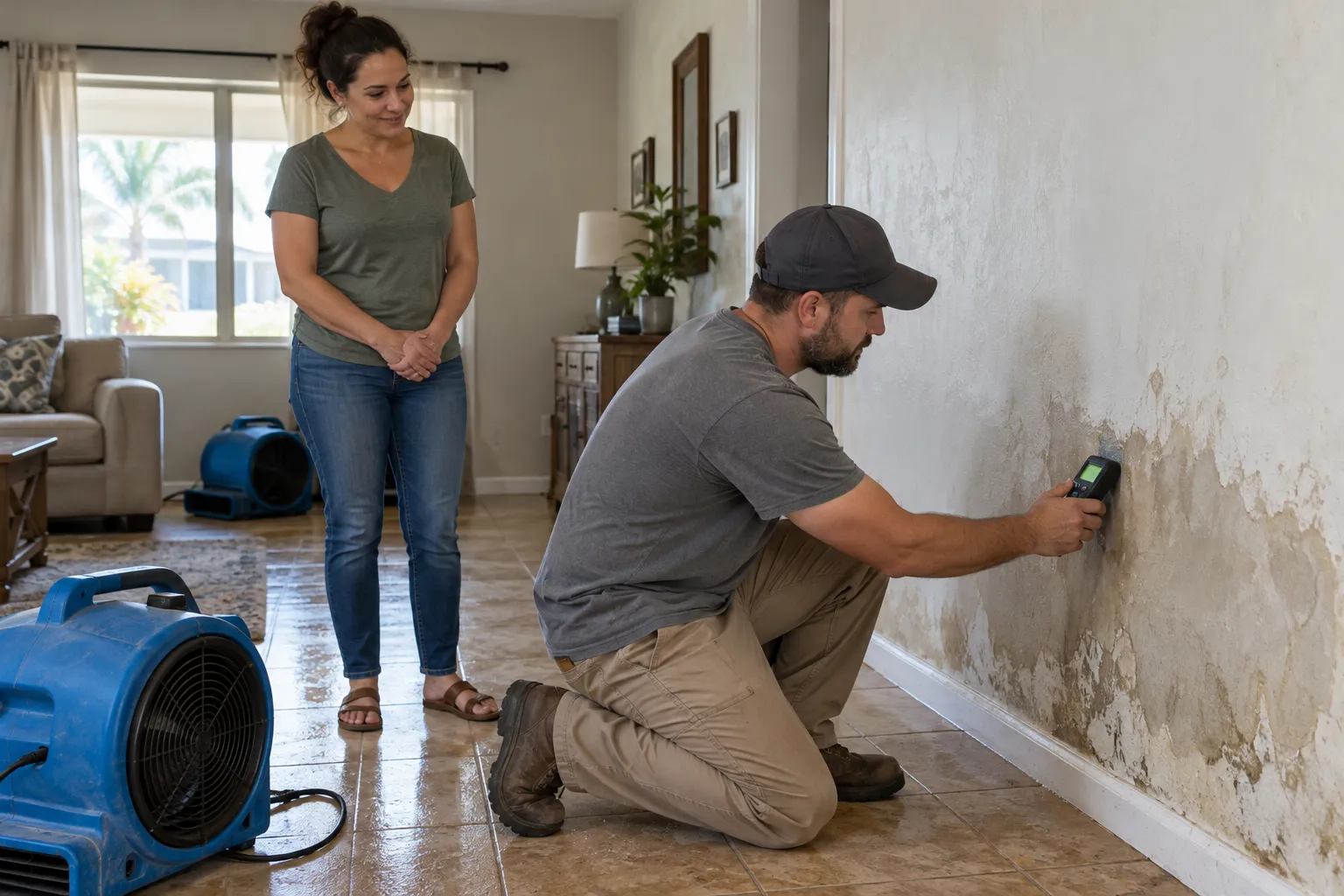
Water in your home? Stop the source, then request an estimate. Numberspreparing Restoration connects you with independent local providers for extraction, structural drying and cleanup. Ask the right questions and hire with confidence.
Water in the house is a bad day. Act on it now.
Stop the source if you can. For a pipe leak, shut off the main valve. Turn off power to wet areas only if it is safe. Take photos. Then get a provider lined up.
Numberspreparing Restoration is a referral service. We connect homeowners in Orlando, FL with independent water damage restoration providers. We do not do the work. The provider does.
Here is how it works. You request an estimate. We pass your job to a local provider in our network. The provider talks with you about scope, timing and price. Many providers can respond quickly, but availability varies. Ask.
Would you rather talk? Request a callback to check provider availability near you.
This site also gives you what most sites skip. The questions to ask before you hire. What a good answer sounds like. The red flags. And what to do after the repair so the water stays gone.
Numberspreparing Restoration sits between you and the provider. You tell us what happened. We pass the request to a local provider in our network. That is the whole job. We do not send crews, set prices or run the work. Each provider is an independent business with its own rates, schedule and terms.
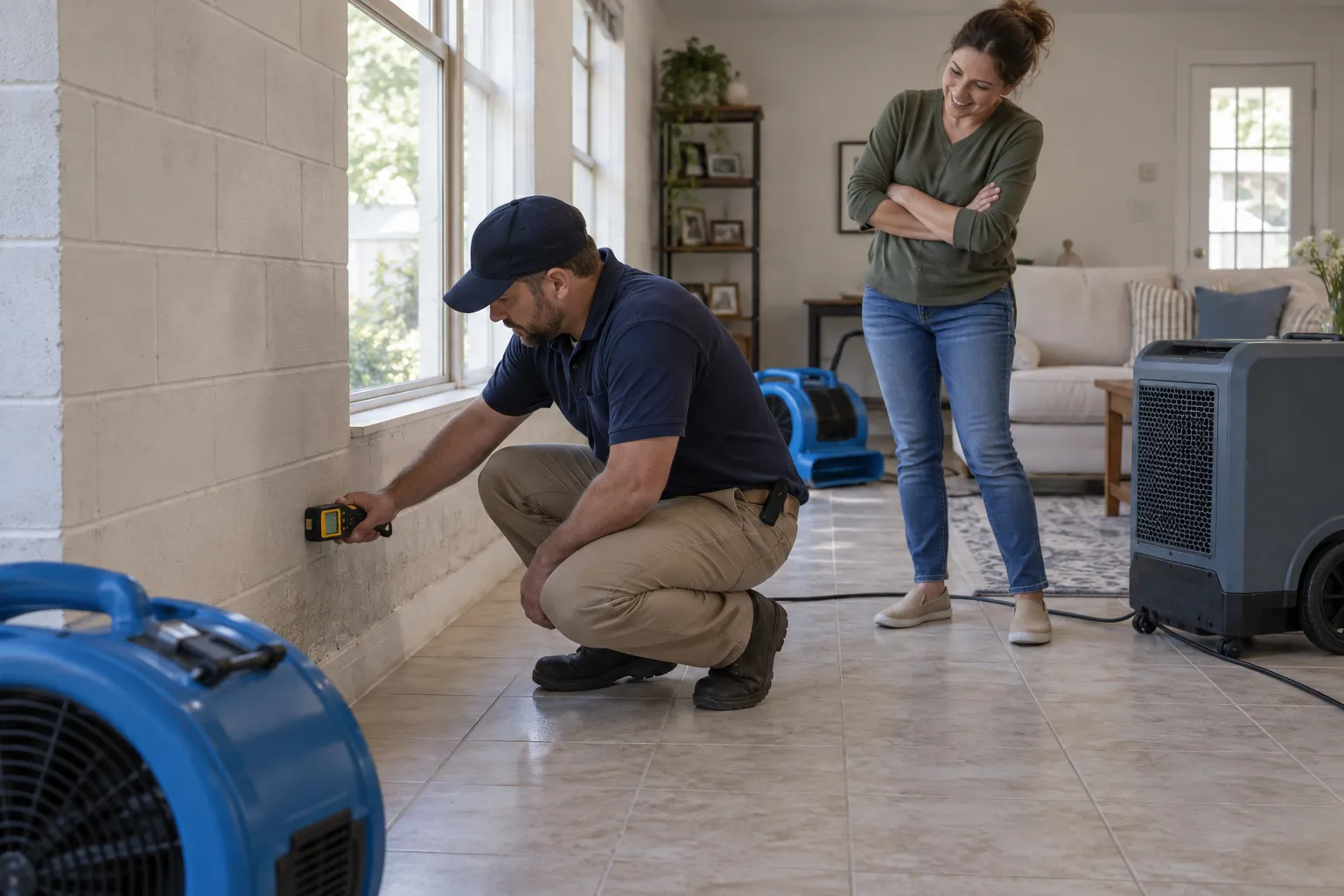
Water jobs run in stages. First, the provider stops further harm and finds where the water went. Next is water extraction. Pumps and vacuums pull out standing water. Then comes structural drying. Air movers and dehumidifiers draw moisture out of walls, floors and framing. Last is cleanup, plus repairs if they are needed.
A provider can often help document the damage with photos and moisture readings. That can help if you file an insurance claim. Some policies may cover sudden damage. Check your policy.
Humidity stays high most of the year. Storms roll in almost every summer afternoon. Hurricane season runs June to November. Wet materials dry slowly in damp air, and mold can start fast.
Many homes here are concrete block on slabs. Water spreads across the floor and wicks up into drywall and baseboards. Condos add a twist. A leak upstairs can soak the units below. A good provider plans for all of this.
Do not pick the first name you see. Ask questions. Compare answers. The list is further down this page.
Providers in our network serve Orlando and the Greater Orlando area. Coverage depends on the provider, so matches are based on where your home is. Give your location when you request an estimate.
Homes here vary. You may own a concrete block house on a slab, a subdivision home built between the 1970s and 2000s, or a condo. Roofs are tile or shingle. Few homes have basements. Still, flooded lower levels, garages, crawl spaces and sunken rooms happen. So does ground-level flooding after a big storm. Providers handle those jobs too.
Storm season matters. From June to November, hurricane season can fill a provider's calendar. Ask about timing early. Do not assume a quick arrival. In calmer weeks, many providers can respond quickly.
Not sure your address is covered? Ask. A short request is all it takes to find out.
Ask every provider the same short list. Write down the answers. Compare them side by side.
Good answer: they send proof of insurance when you ask. They tell you about any license your state requires for this work. Red flag: vague talk, or a pause. Check licenses with the state yourself.
Good answer: moisture meters, thermal cameras, readings inside walls and floors. Red flag: "I can tell by looking." Water hides.
Good answer: the equipment to be used, daily checks, and a target moisture level. Red flag: set the fans and hope.
Good answer: scope, labor, equipment, and what could change the price. Costs vary by job. In the U.S., small cleanups often run a few hundred dollars. Larger losses can reach several thousand or more. Get it in writing before work starts.
Fix the cause, not just the damage. Then watch the house.
Ready to start? Share what happened, where it is, and when it began. A local provider in our network follows up with next steps. Call hours vary by provider.
Need to talk first? Request a callback to ask about provider availability. You can also email contact@numberspreparing.bond.
Three services are on offer. Water Damage Restoration is the main one. Water Extraction & Structural Drying Services and Flooded Basement Cleanup Services cover the two most common needs. Pick the one that fits, then request an estimate.
Water in your home needs a plan fast. Here is what to do, what to ask, and who to avoid.
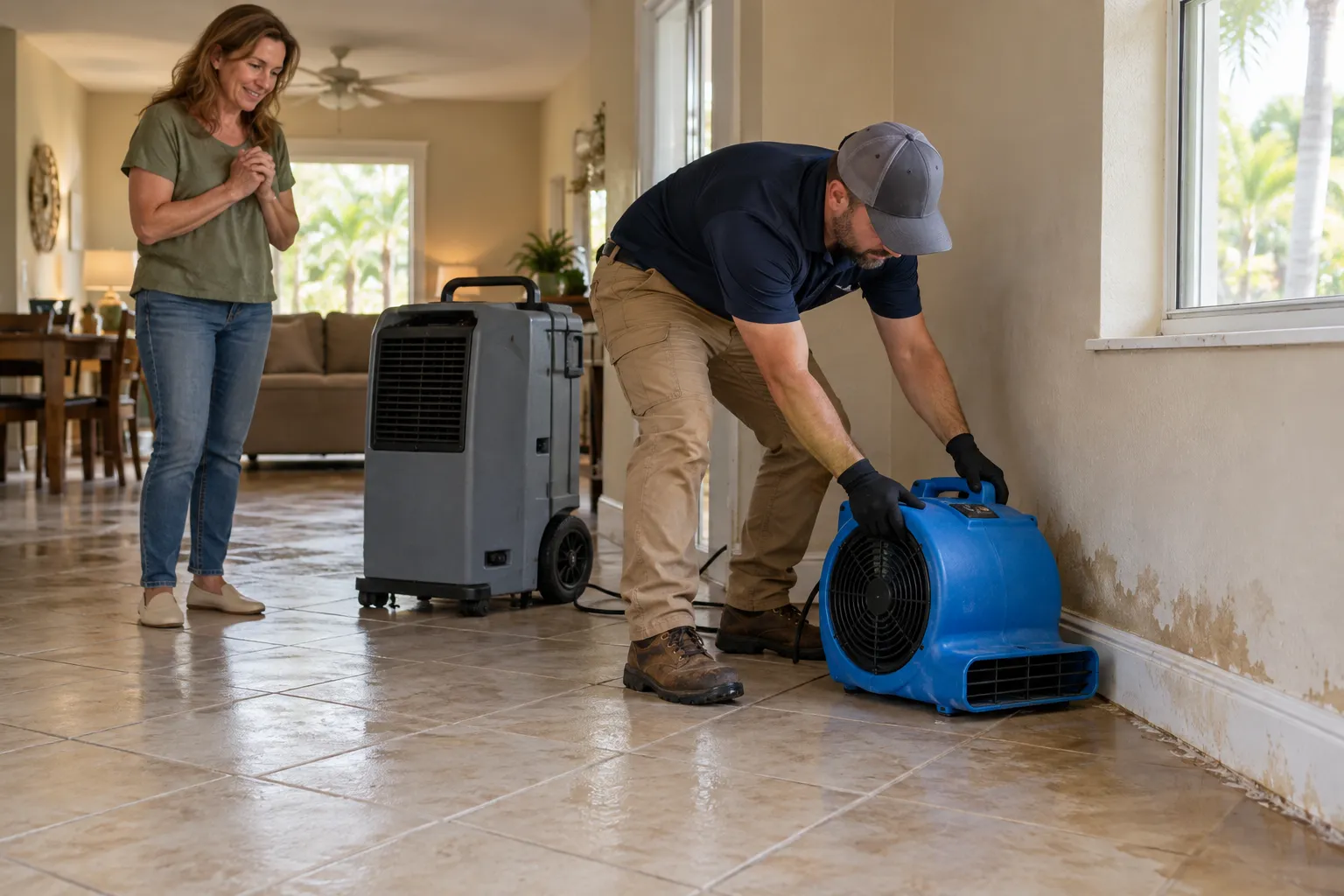
Extraction removes the standing water, and structural drying removes the moisture hiding in your walls, floors and framing.
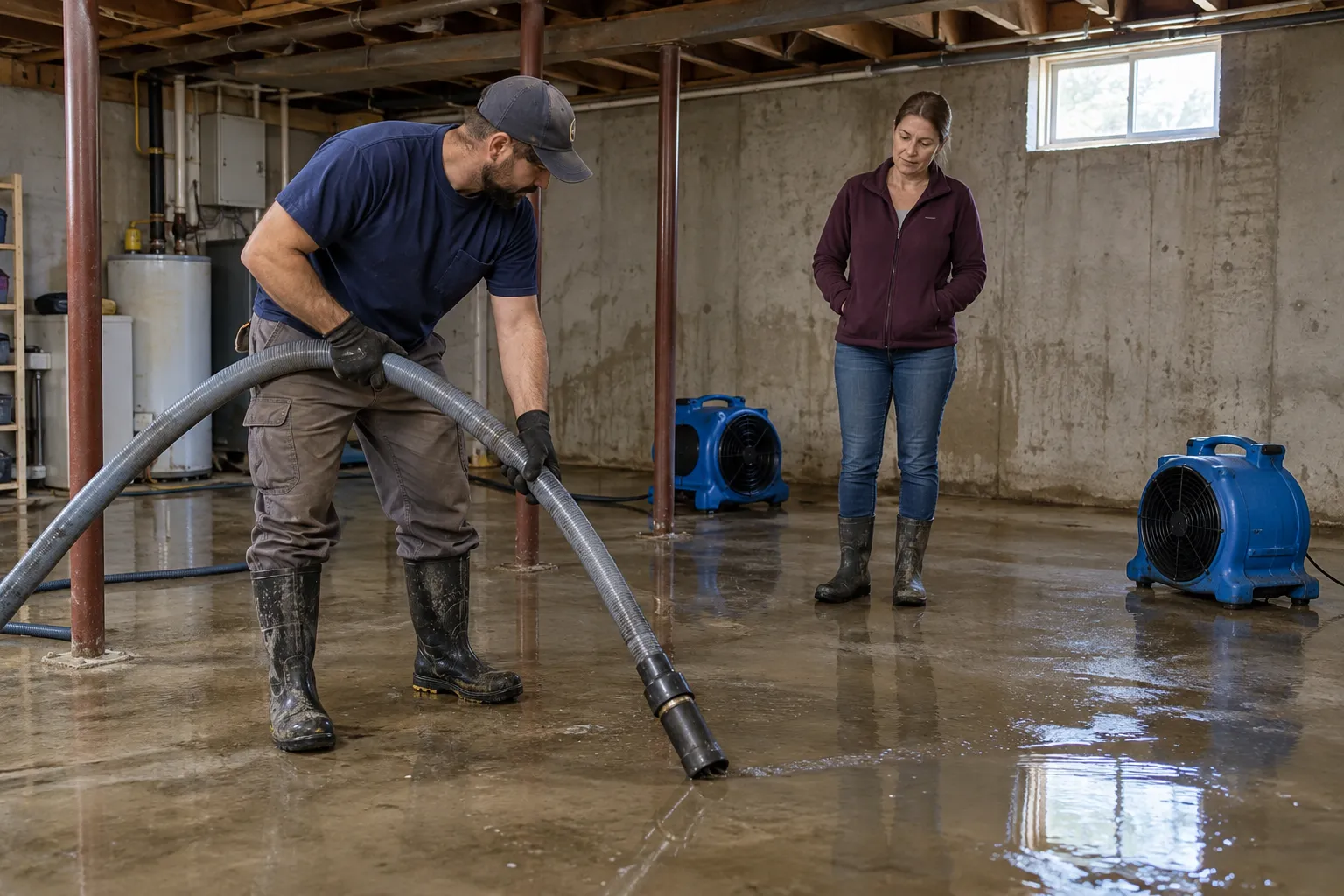
Standing water in your basement needs a plan fast, and the right provider makes that plan clear.
Tell us what happened and where. Request an estimate, or email contact@numberspreparing.bond. A local provider in our network follows up. Call hours vary by provider.
No obligationTell us what happened and where. Request an estimate, or email contact@numberspreparing.bond. A local provider in our network follows up. Call hours vary by provider.
No obligation